House Wrecking in Freehold, NJ
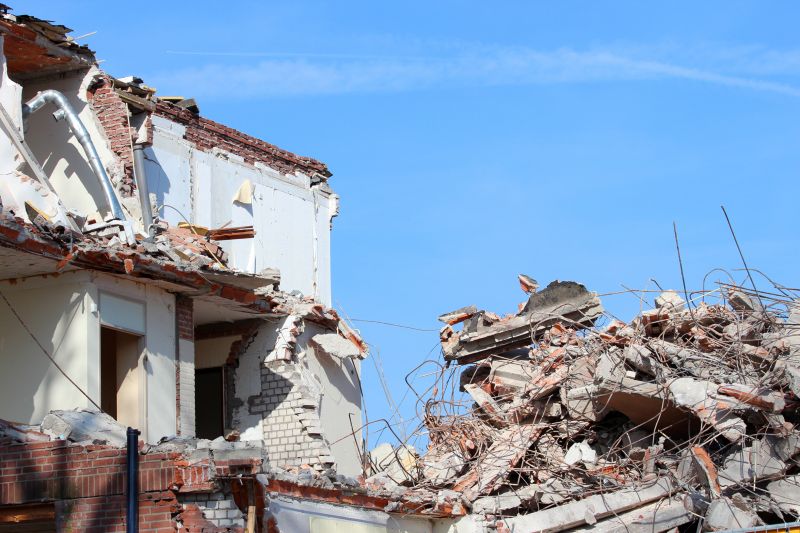
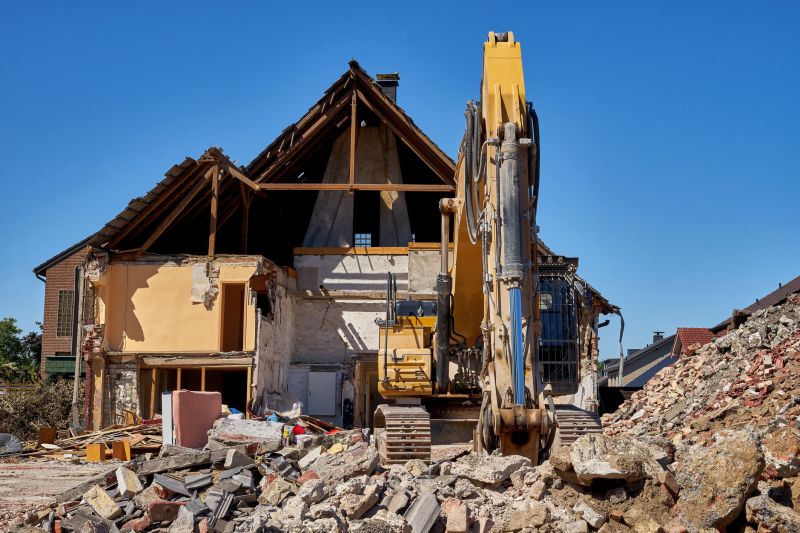
House wrecking services involve the careful and efficient demolition of entire structures or specific parts of a property, such as walls, additions, or outbuildings. These projects typically include residential homes undergoing renovations, tear-downs for new construction, or the removal of unsafe or unwanted structures. Property owners often want to understand the scope of the demolition, the process involved, and how the debris will be handled to ensure safety and compliance with local regulations before requesting these services.
Before requesting house wrecking, homeowners should consider the size and complexity of the project, including whether there are any hidden hazards like asbestos or outdated wiring that may require special handling. It’s also important to clarify the extent of debris removal and disposal, as well as any permits or approvals needed from local authorities. Understanding these details helps ensure the demolition process proceeds smoothly and aligns with property goals.
Many property owners in Freehold, NJ look into House Wrecking for repairs, replacements, upgrades, and appearance-related improvements.
Residential Demolition
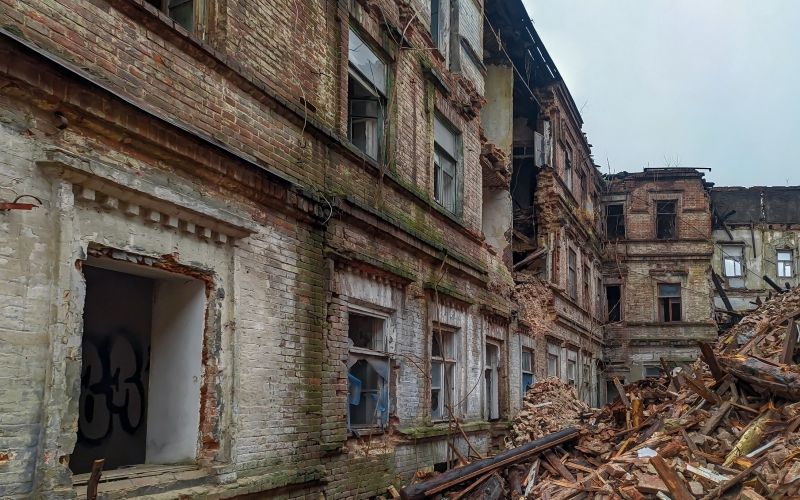
Removing outdated or unsafe structures from homes in the freehold area.
Commercial Building Wrecking
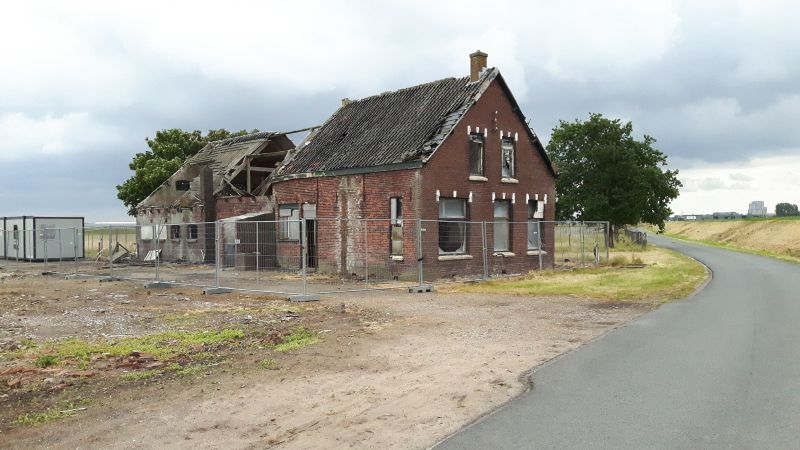
Dismantling large-scale commercial properties to make way for new developments.
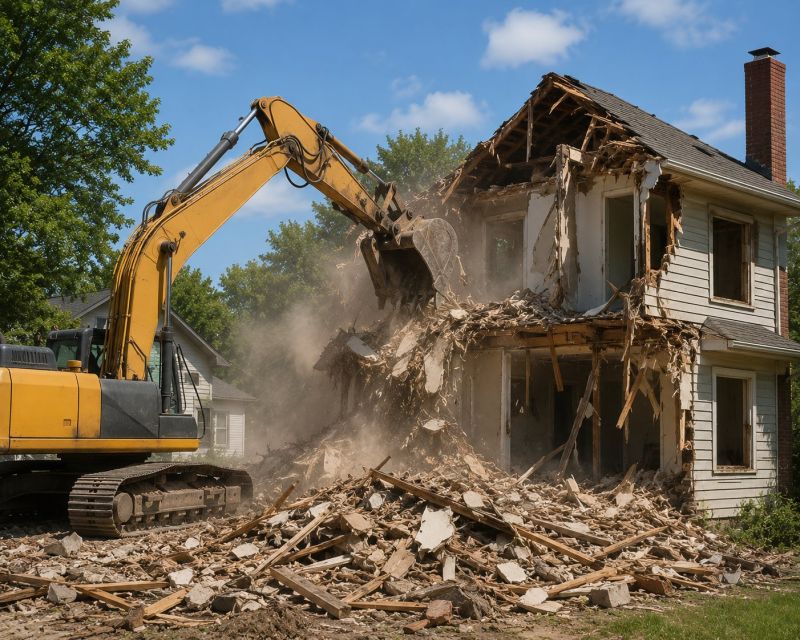
Selective Demolition
Carefully taking down specific sections of a property to preserve other areas or structures.
House Wrecking in Freehold, NJ
House wrecking services involve the careful and efficient demolition of entire structures or specific parts of a property, such as walls, additions, or outbuildings. These projects typically include residential homes undergoing renovations, tear-downs for new construction, or the removal of unsafe or unwanted structures. Property owners often want to understand the scope of the demolition, the process involved, and how the debris will be handled to ensure safety and compliance with local regulations before requesting these services.
Before requesting house wrecking, homeowners should consider the size and complexity of the project, including whether there are any hidden hazards like asbestos or outdated wiring that may require special handling. It’s also important to clarify the extent of debris removal and disposal, as well as any permits or approvals needed from local authorities. Understanding these details helps ensure the demolition process proceeds smoothly and aligns with property goals.
Many property owners in Freehold, NJ look into House Wrecking for repairs, replacements, upgrades, and appearance-related improvements.
Common House Wrecking Jobs
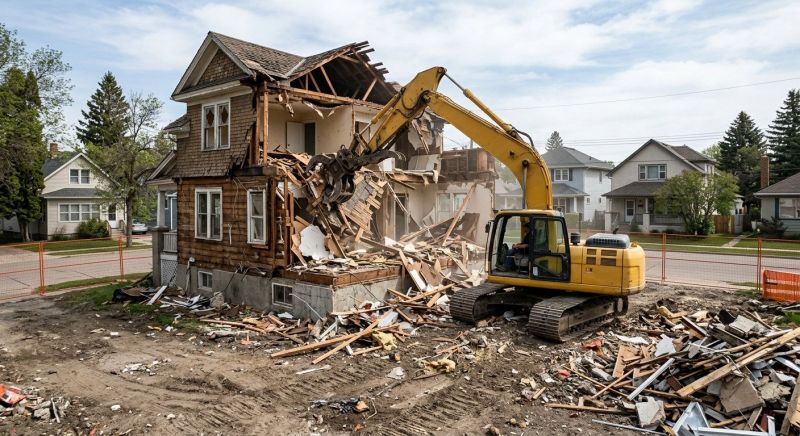
House Demolition - complete removal of an entire house to prepare for new construction or renovation.
Interior Wrecking - stripping down interior walls, ceilings, and fixtures for remodeling projects.
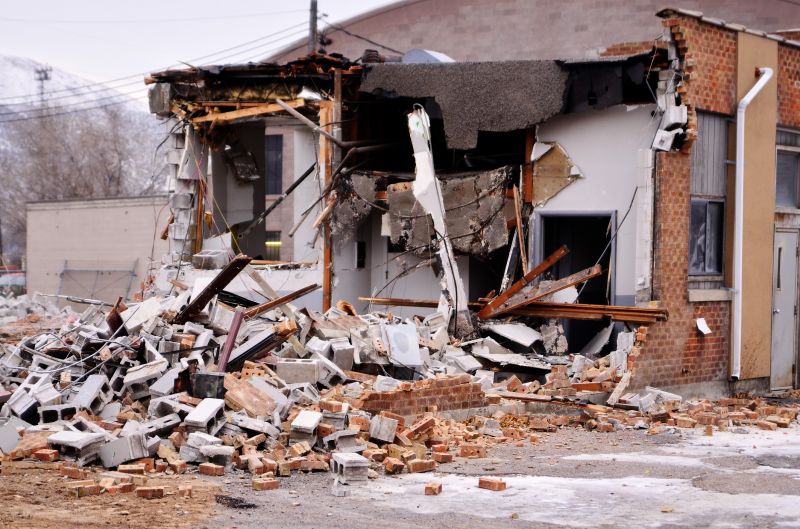
Structural Demolition - safely removing load-bearing walls or foundations during major renovations.
Garage and Outbuilding Wrecking - tearing down sheds, garages, or other auxiliary structures on the property.
Selective Demolition - removing specific sections of a house while preserving the rest of the structure.
Asbestos and Hazardous Material Removal - safely eliminating dangerous materials during wrecking projects.
House Wrecking Questions
What types of structures can be demolished? House wrecking services can handle a variety of residential buildings, including single-family homes, townhouses, and small apartment complexes.
Is the process safe for nearby properties? Proper planning and safety measures are used to minimize impact on surrounding structures and properties during demolition.
What should be prepared before wrecking begins? Property owners should clear the area of personal belongings and ensure access for equipment and personnel.
Are permits required for house wrecking? Permit requirements vary by location; contacting local authorities can clarify necessary approvals for demolition projects.
Request House Wrecking in Freehold, NJ
Use the quote form on this page to share the basics of your project and request more information for the type of work you need.